Secret Agency
American Individualism in Oswald’s Tale and Libra
Keywords:
intelligence agencies, CIA, Cold War America, political power, secrecy and surveillance, American political cultureAbstract
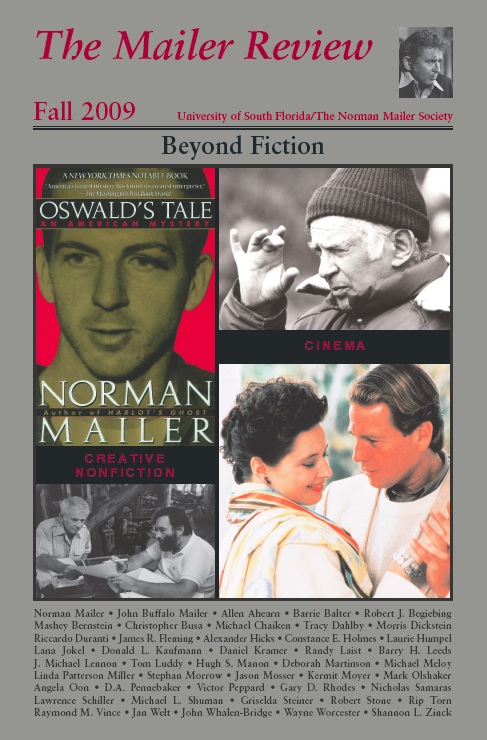
Norman Mailer’s Oswald’s Tale and Don DeLillo’s Libra are expressly political works. Oswald’s bid for selfhood is a nuanced critique of individualism in American life. Mailer reads Oswald’s crime as an Emersonian act of self-making—both audacious and peculiarly American. Libra’s critique of Oswald is similarly inextricable from its critique of American culture. Mailer and Don DeLillo follow the trajectory of a seemingly unremarkable man who claims a role in history by killing the president of the United States. Unlike “empirical” accounts of the assassination, the narratives of Mailer and DeLillo posit for Oswald a culturally significant motive that is at once personal and expressly political: When Lee Harvey Oswald fires on Kennedy he doesn’t just end the President’s life, he begins his own.