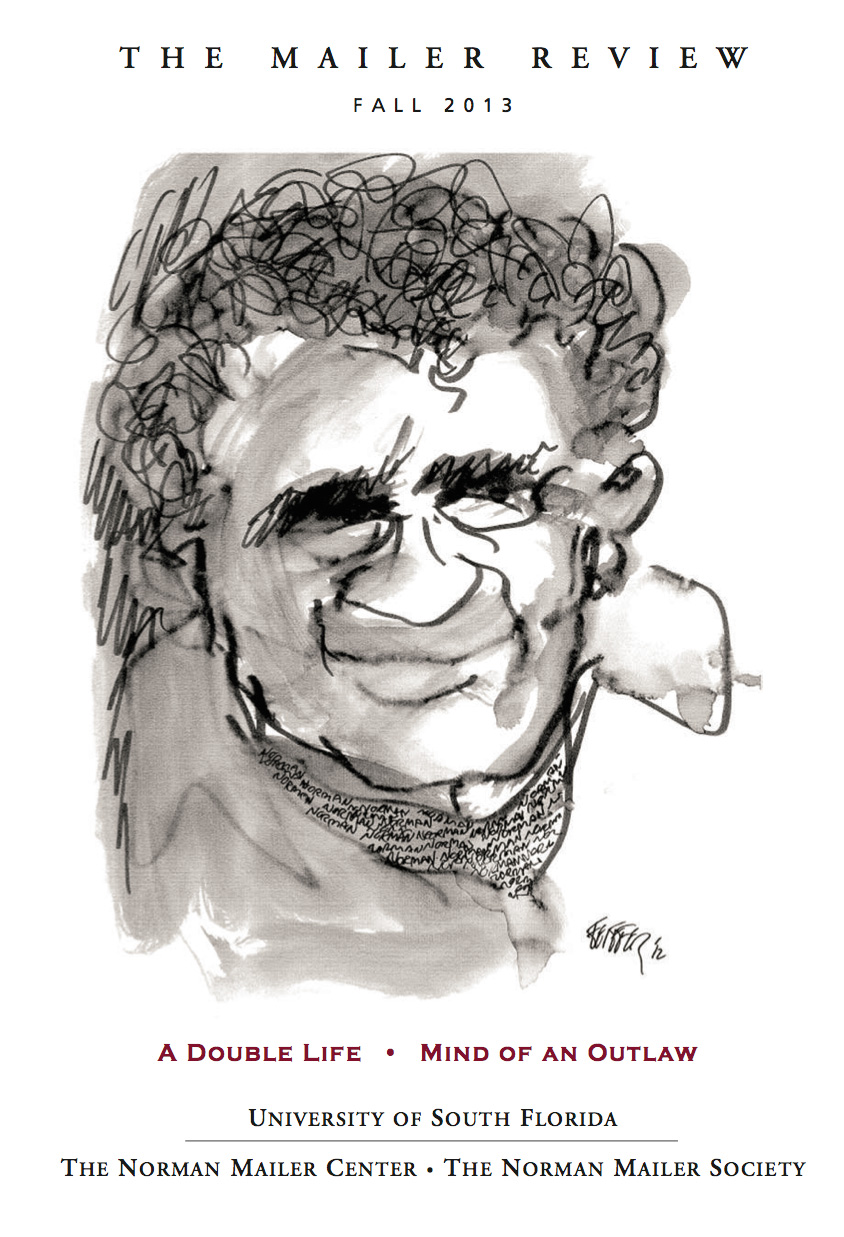
The Father and Son of American Realism
The Second Acts of Dreiser and Mailer
Keywords:
Theodore Dreiser, American literary realism, naturalism, The Executioner's Song, crime and punishment, documentary fiction, American Dream critiqueAbstract
Norman Mailer’s literary development and highest achievements find their parallel in the work of Theodore Dreiser, known as the “Father of American Realism.” Mailer took up that baton in the wake of World War II. Even their flamboyant personal lives and reputations as womanizers are strikingly similar. Each, more than a few might say, lacked everything but genius. They both began their first published novels with personal experience as the basis of their fiction—Sister Carrie (1900) and The Naked and the Dead (1948)—and concluded, unlike the great majority of notable American writers, with “a second act”: the publications of An American Tragedy (1925) and The Executioner’s Song (1979), both journalistic in their use of facts in fiction. They overwhelmed the literary world first with stories out of their own lives and subsequently matched, or perhaps exceeded, those accomplishments with novels based on the real lives of victims of the American Dream.